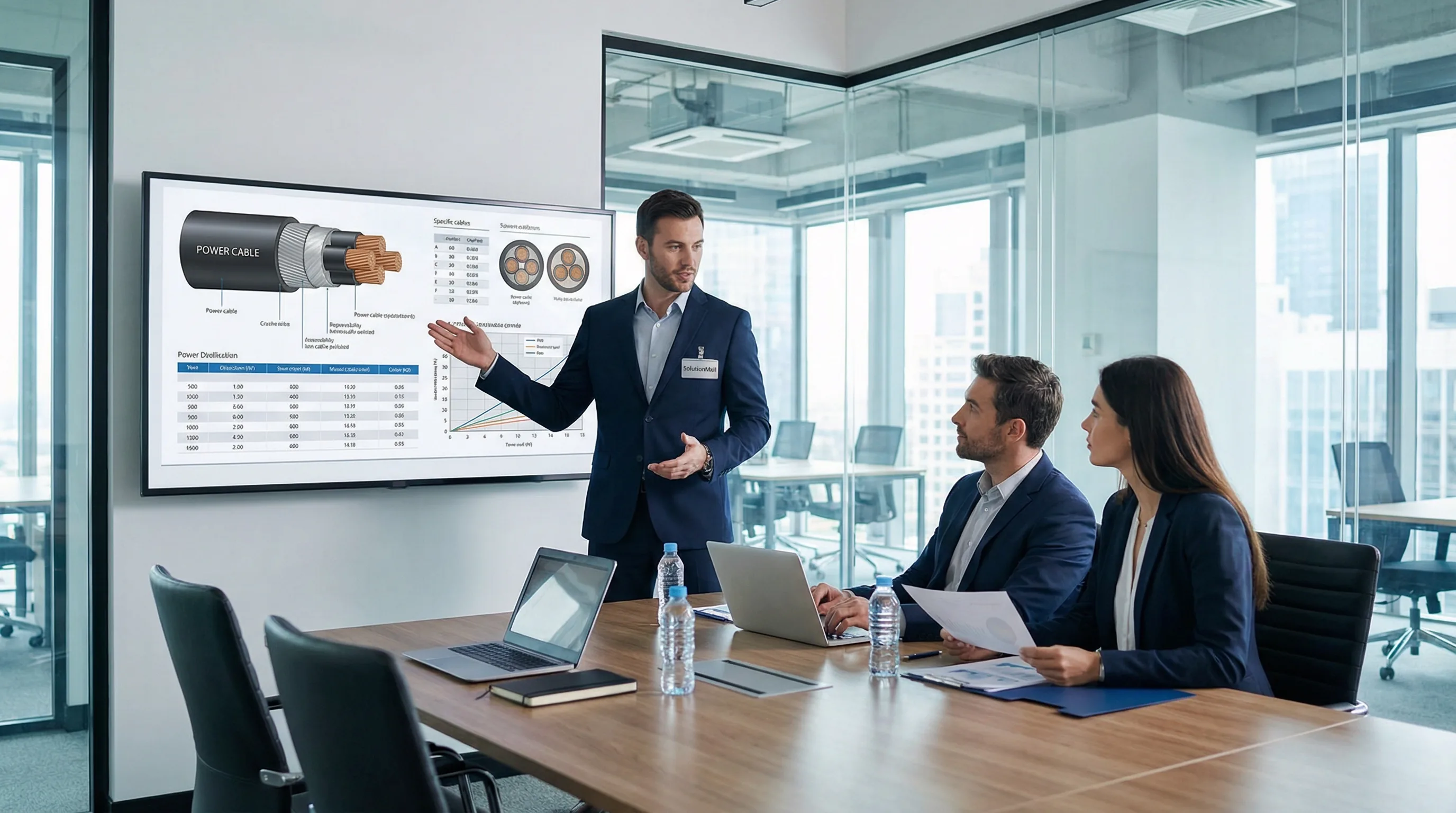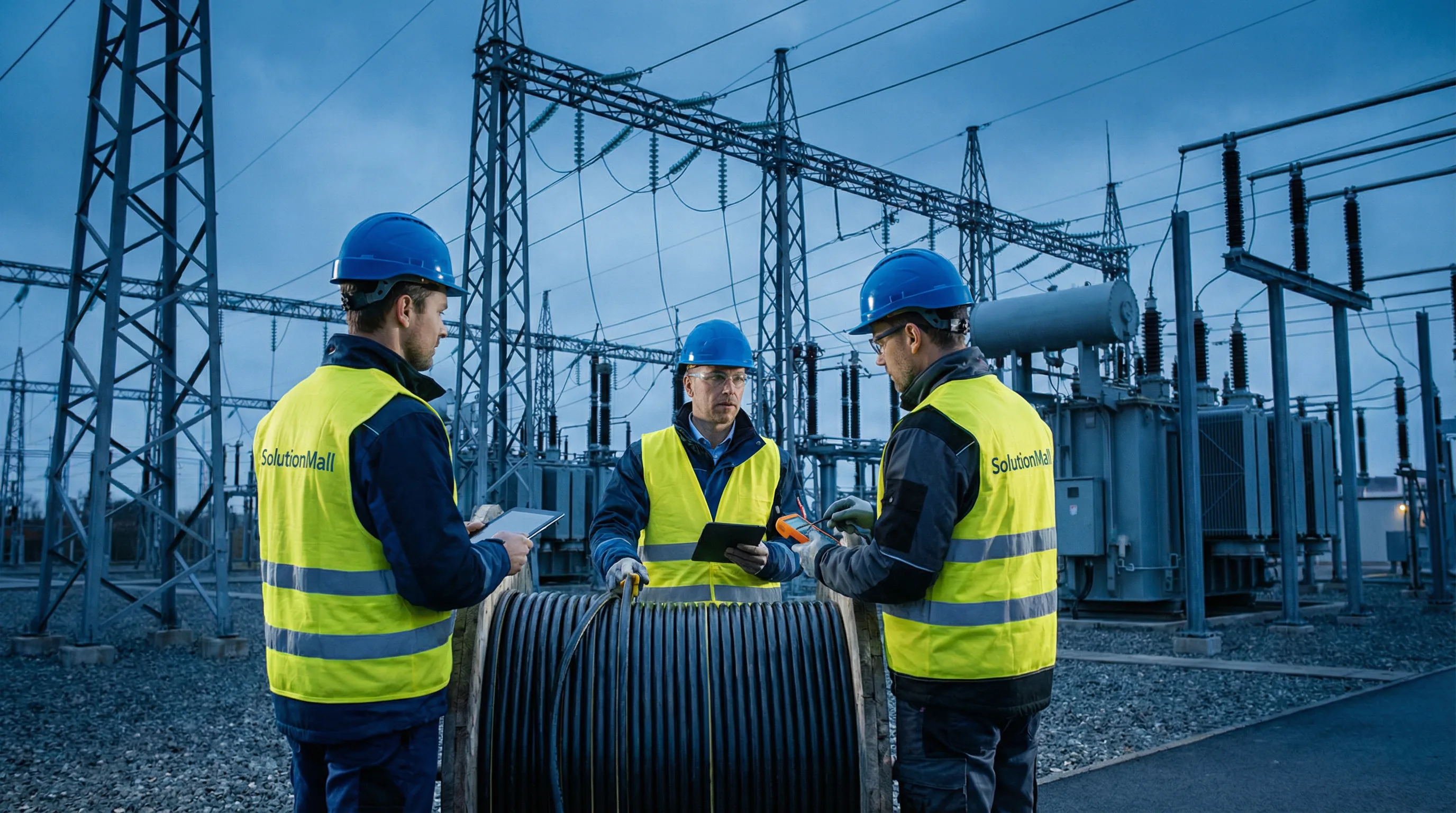
Power Cable Engineering
Sales Playbook Β· Internal Training Guide

Power Cable
Product Classification
Sales Playbook

For SolutionMall Sales Teams & Channel Partners β€” Align your understanding, sharpen your pitch, and close with confidence.

12+ Specialty Cable Types
5+ Key Industries
20yr Lifecycle Value
Power Cable Products

What Is a Power Cable β€” 3 Things Every Salesperson Must Know

Before you pitch, you must understand. These three core concepts form the foundation of every successful power cable sale.

⚑

It’s the System’s Energy Backbone

A power cable is not just a wire for connection. It is the fundamental energy channel that the entire system depends on. Without the right cable, the system cannot function reliably.

"Not a wire β€” it's the backbone of every system."
πŸ”—

Cable Problems Are System Problems

Wrong cable selection leads to system instability. Environmental mismatch shortens lifespan. Poor joints increase failure rates. Every cable decision is a system-level decision.

Wrong Cable β†’ System Instability β†’ Downtime & Loss
πŸ“…

Value Is in Long-Term Stability

Cables are not bought for one year. They must run stably for 5 to 20 years. The real value proposition is lifecycle reliability, not unit price.

"Not a one-year purchase β€” a 5–20 year commitment."

Three-Layer Product Architecture

Memorize the three-layer structure. It guides every product recommendation and system solution you build.

Layer 1

Main Power Cables β€” The Core Supply Foundation

"Every system needs it."

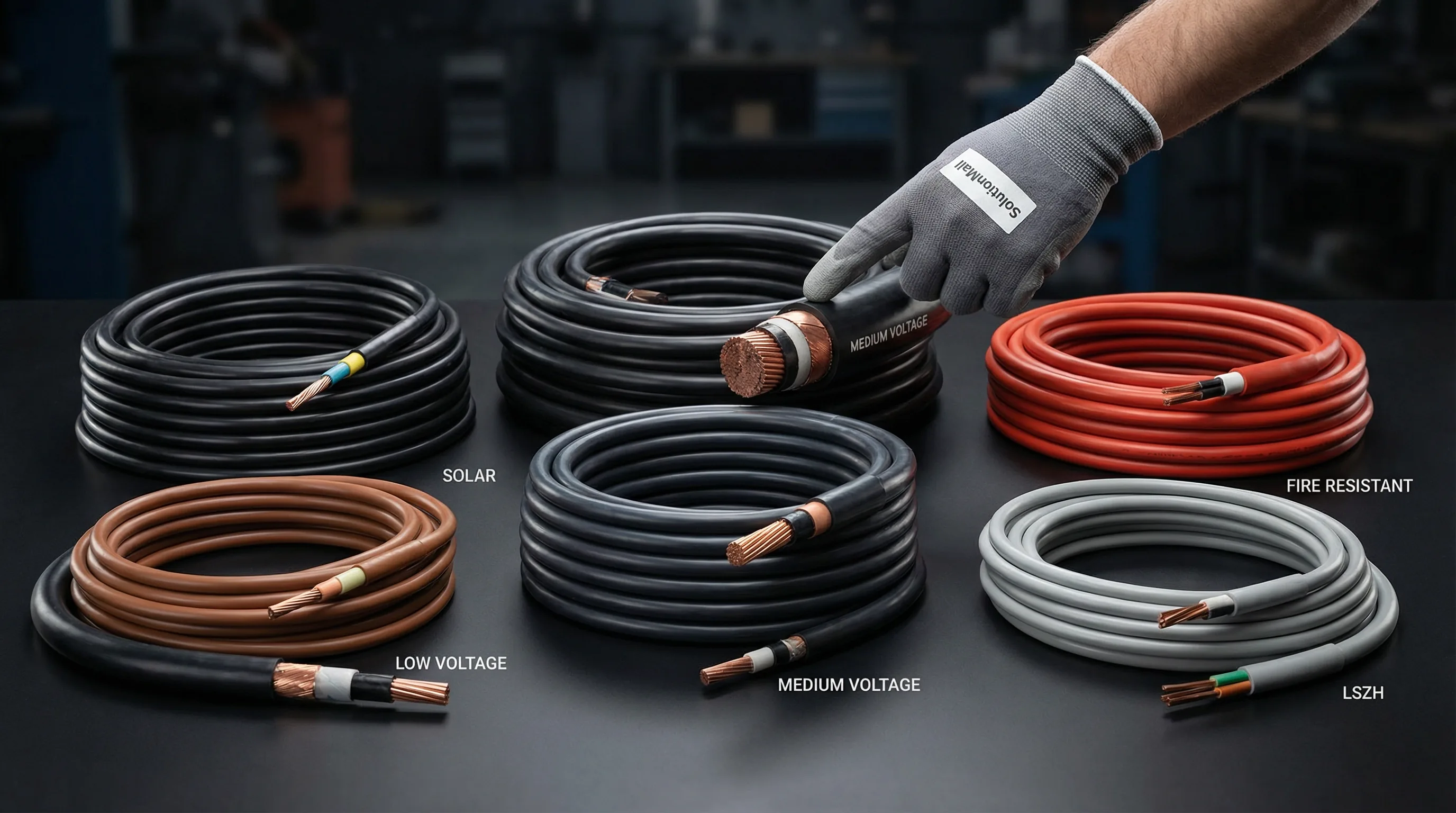
Power Cable Types
LV

Low Voltage Power Cable

0.6 / 1kV

Buildings & Equipment Power Supply

MV

Medium Voltage Power Cable

3 – 35kV

Campus & Industrial Main Power Distribution

πŸ’‘ Sales Rule: Never quote directly. Always ask about the application scenario first.
Layer 2

Specialty Power Cables β€” Your Key Sales Breakthrough

"Scene β†’ Cable Type" β€” This is how you remember it.

β˜€οΈ

Solar Cable

Photovoltaic Power Systems

UV ResistantHigh Temp
🌬️

Wind Power Cable

Wind Turbine Systems

Torsion Resistant
⛏️

Mining Cable

Coal & Metal Mines

Explosion-ProofHigh Tensile
πŸ”₯

Fire Resistant Cable

Fire Safety & Emergency Power

No Power Loss in Fire
🏒

Flame Retardant Cable

Buildings & Commercial Spaces

Fire Spread Prevention
πŸ₯

LSZH Cable

Metro / Data Centers / Hospitals

Low SmokeNon-Toxic
βš“

Marine Cable

Ships & Offshore Platforms

Corrosion ResistantSalt Spray Proof
🚒

Shore Power Cable

Port Power Supply

High CurrentWaterproof
πŸš‡

Rail Transit Cable

Metro & High-Speed Rail

EMI Resistant
🏭

Oil & Gas Cable

Refineries & Chemical Plants

Chemical ResistantExplosion-Proof
πŸ€–

Drag Chain Cable

Automation Equipment

Flex Resistant
πŸ—οΈ

Flat Cable

Cranes & Lifting Equipment

Space Adaptive
🧠
Sales Memory Method: Think "Scene β†’ Cable Type" β€” NOT "Model β†’ Application". Start with the customer's environment, then match the cable.
Layer 3

Supporting Systems β€” Always Sell Together

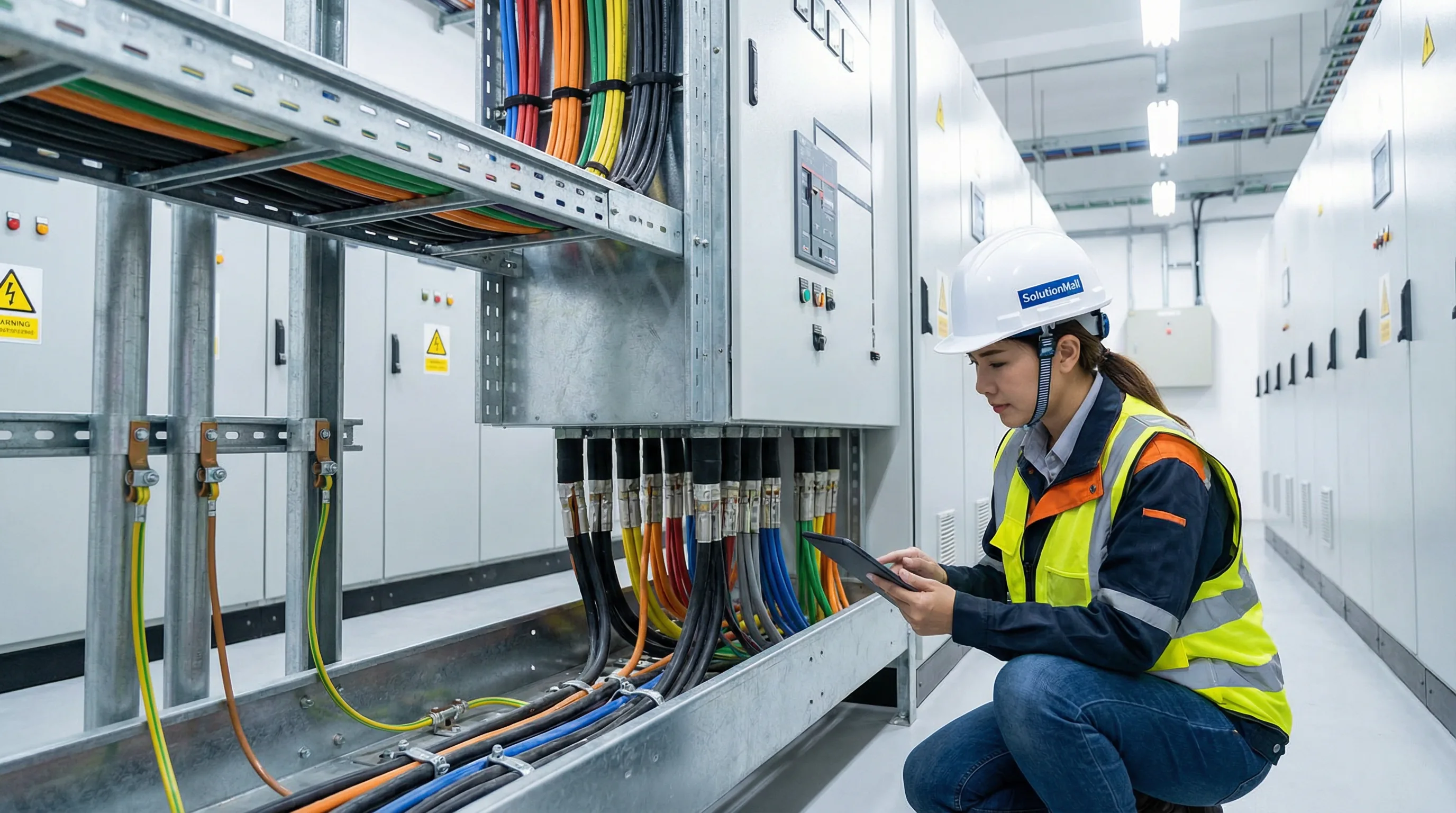
"60% of cable failures come from joints and installation β€” not the cable itself."

πŸ”ŒCable Joints & Terminals
πŸ›€οΈCable Trays & Conduits
⚑Grounding Systems
β›ˆοΈLightning Protection Systems
πŸ”₯ Selling Mode: Cable alone is weak. Cable + Accessories is recommended. Full Power System Solution is optimal.
Cable System Installation

What to Say in Each Scenario

Different scenarios demand completely different cables β€” and completely different sales messages. Know your audience before you speak.

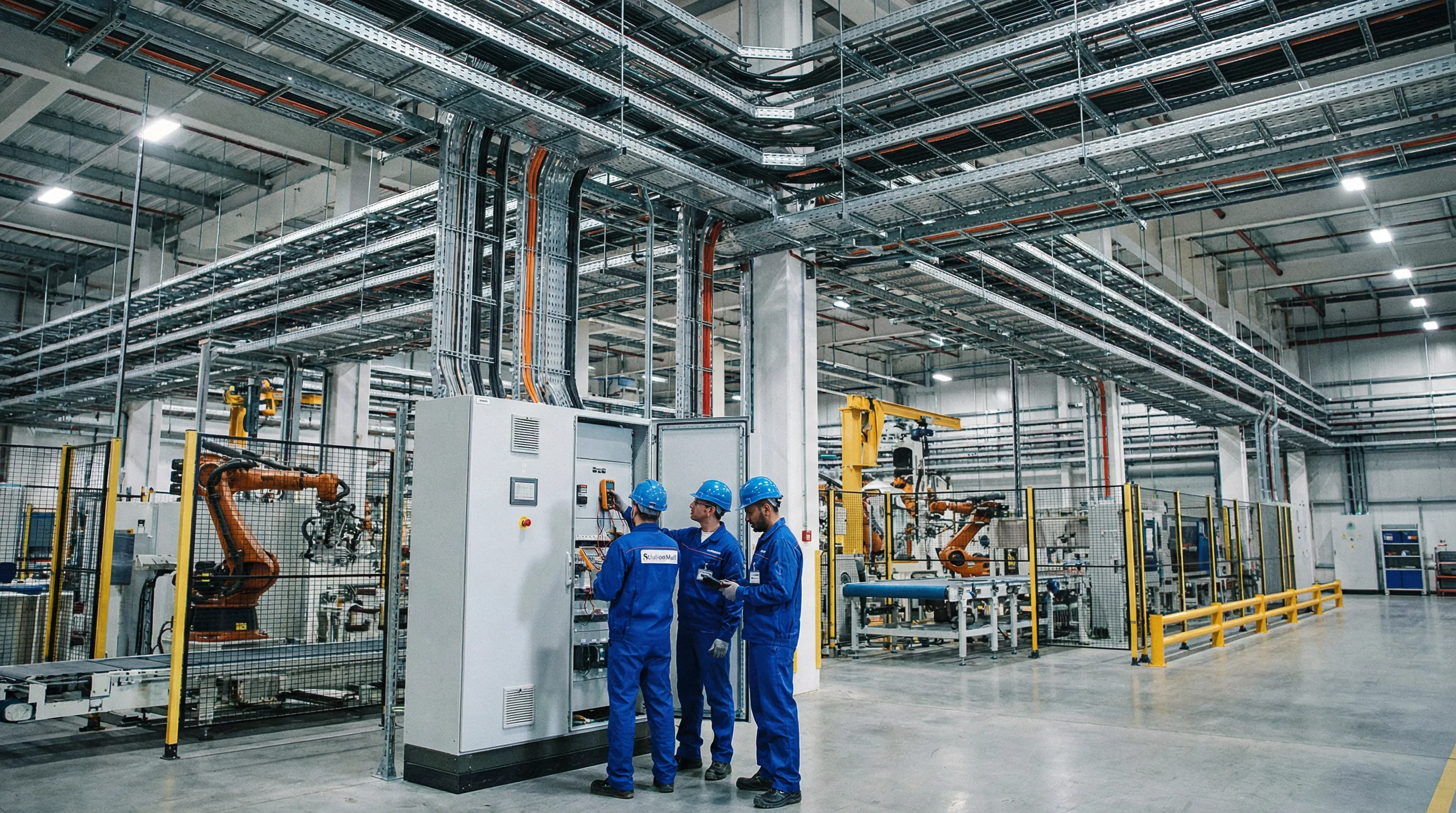
Factory Scenario
Factory

Industrial Manufacturing

Stability & Uptime

Factories fear downtime above all else. Lead with system stability and continuous operation guarantees.

EMI Resistance

Heavy machinery creates electromagnetic interference. Proper cable selection prevents signal and power disruptions.

Key Cables:Medium VoltageDrag ChainFlame Retardant
"Different scenarios demand completely different cables."
Building Scenario
Building

Commercial Buildings

Fire Safety

Buildings require fire-resistant and LSZH cables for emergency power systems and evacuation routes.

Code Compliance

Building codes mandate specific cable ratings. Non-compliant selections create legal and safety liabilities.

Key Cables:Fire ResistantLSZHFlame Retardant
"In buildings, safety compliance is non-negotiable."
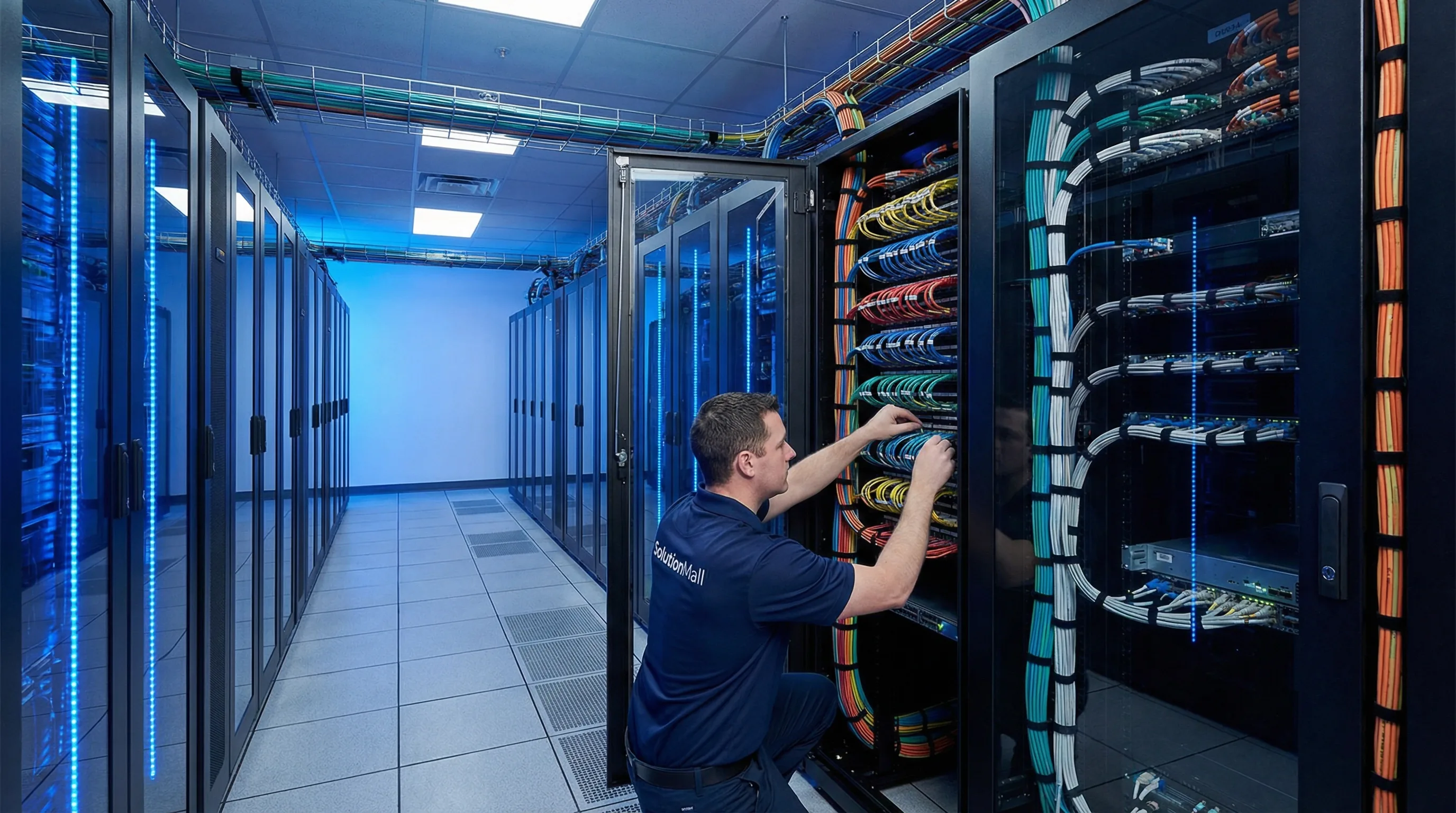
Data Center Scenario
Data Center

Data Center Infrastructure

Zero Downtime

Data centers operate 24/7. Any power interruption causes massive financial and reputational damage.

Low Smoke Safety

Dense cable installations require LSZH cables to minimize toxic smoke in case of fire.

Key Cables:LSZHFire ResistantLow Voltage
"Downtime costs more than the entire cable budget."
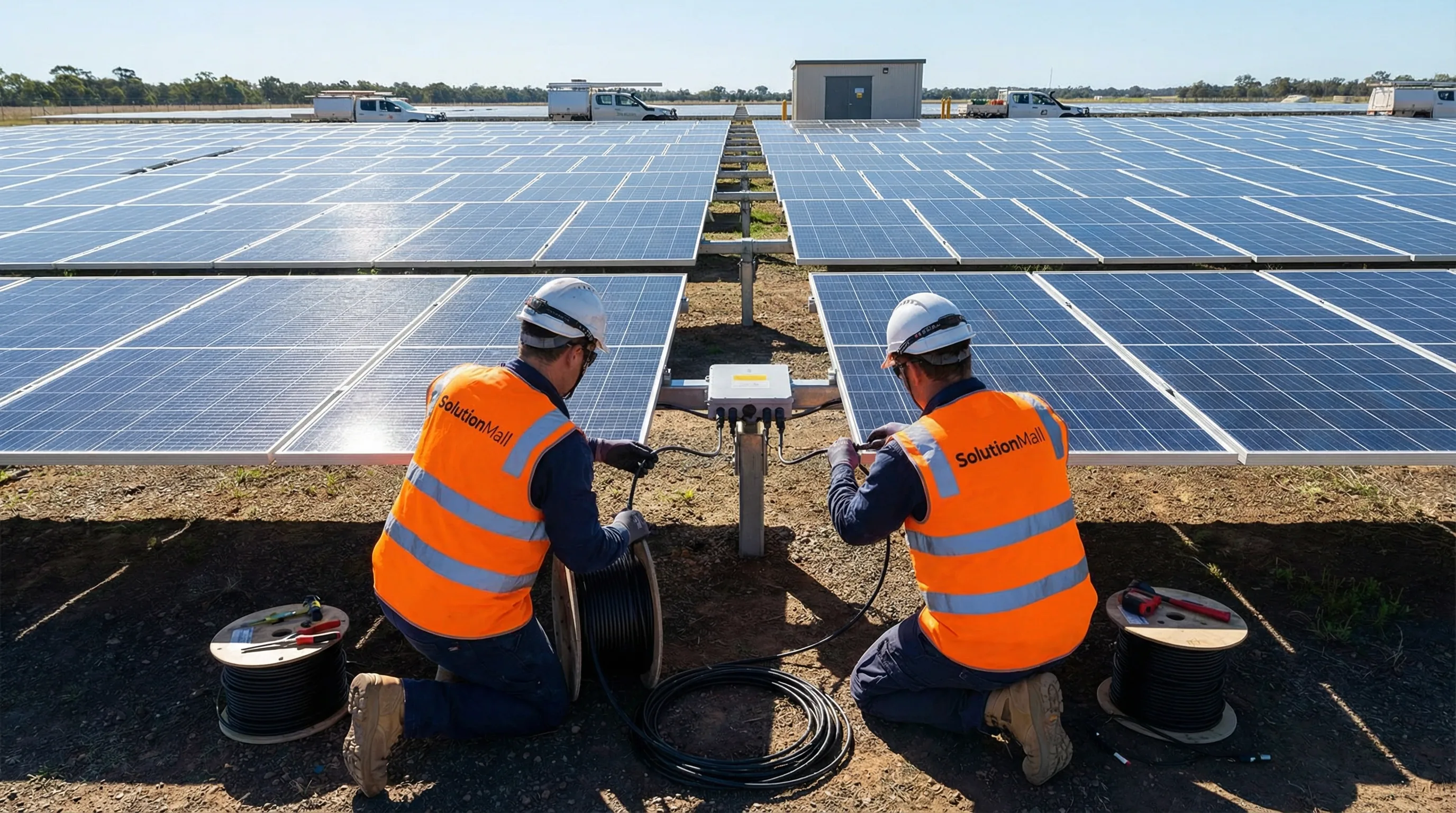
Solar Scenario
Solar

Photovoltaic Power Systems

UV & Heat Resistance

Solar cables face decades of outdoor UV exposure and extreme temperatures. Standard cables degrade rapidly.

DC System Compatibility

PV systems use DC power. Cables must be rated for DC voltage and current characteristics.

Key Cables:Solar CableMedium Voltage
"Solar cables must last as long as the panels β€” 25 years."
Mining Scenario
Mining

Mining Operations

Explosion Protection

Underground mines require explosion-proof cables to prevent ignition of flammable gases.

Mechanical Durability

Mining cables face extreme mechanical stress, abrasion, and crushing forces in harsh environments.

Key Cables:Mining CableMedium Voltage
"Underground safety depends on certified explosion-proof cables."
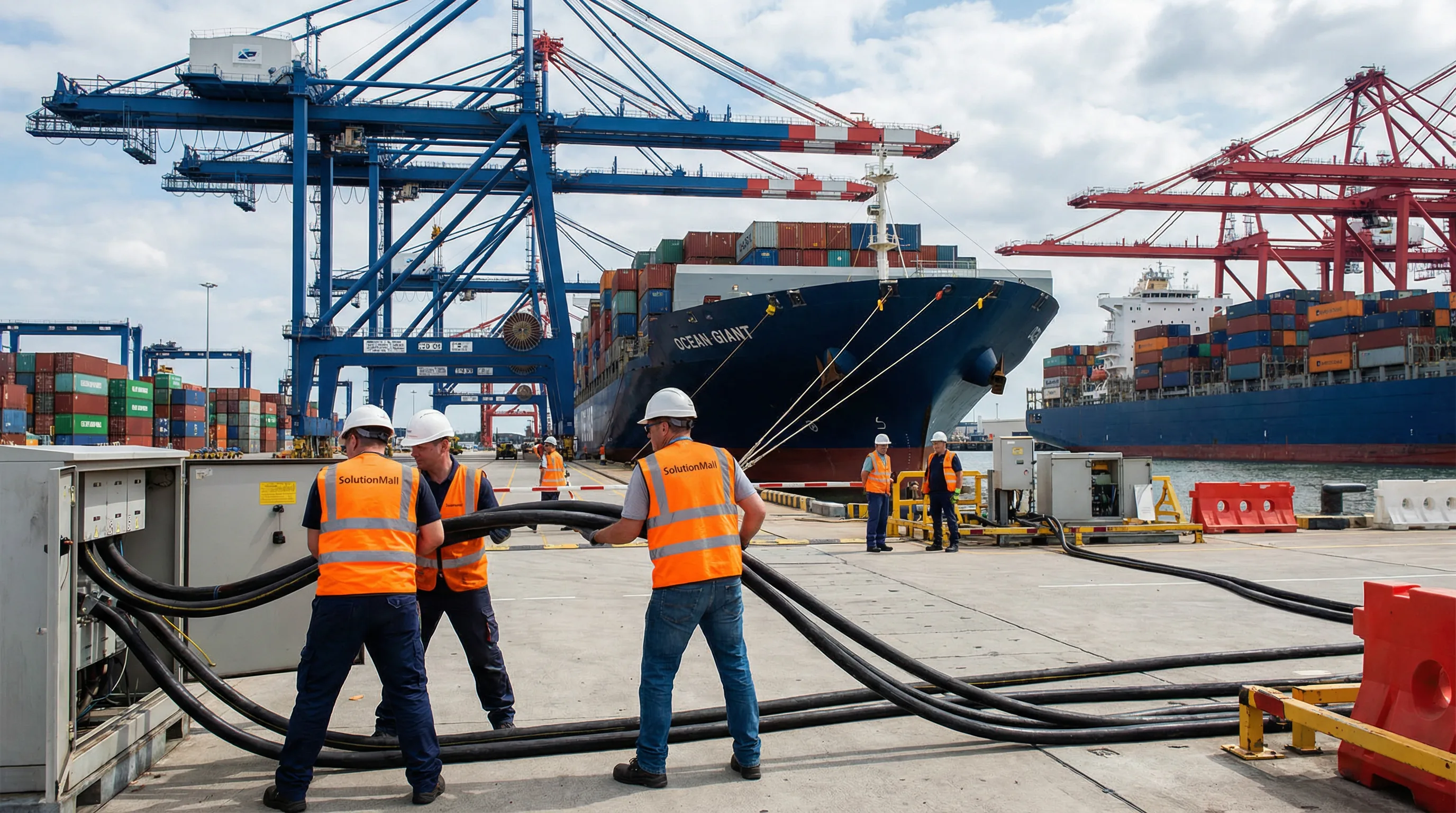
Marine Scenario
Marine

Marine & Port Applications

Corrosion Resistance

Marine environments expose cables to salt spray, humidity, and chemical corrosion. Standard cables fail rapidly.

Shore Power Standards

Port shore power systems require high-current, waterproof cables meeting international maritime standards.

Key Cables:Marine CableShore Power Cable
"At sea, there are no quick replacements β€” get it right the first time."

Who Buys & Why They Buy

Understanding customer motivations is the key to unlocking the right conversation at the right time.

The 4 Core Buying Motivations

πŸ›‘οΈ

Safety & Compliance

Meeting regulatory standards and preventing safety incidents.

βš™οΈ

Operational Stability

Ensuring uninterrupted production and system uptime.

πŸ’°

Cost Optimization

Reducing total lifecycle costs through quality selection.

🌱

Sustainability Goals

Meeting green energy and environmental compliance targets.

Priority Customer Segments

🏭

Industrial Manufacturers

Highest Priority

Continuous production demands stable power. Downtime losses justify premium cable investment.

🏒

Commercial Real Estate

Highest Priority

Large-scale projects with strict fire safety and code compliance requirements.

β˜€οΈ

New Energy Projects

Fastest Growing

Solar and wind energy boom drives massive cable demand globally.

πŸ—οΈ

Infrastructure Projects

High Volume

Large-scale projects with significant cable requirements across all types.

4 Key Values Β· 4 Core Beliefs

Key Values to Communicate

⚑

Stable Power Supply

Reliable, uninterrupted power delivery is the foundation of every system we support.

πŸ›‘οΈ

Safety Assurance

Every cable recommendation prioritizes safety compliance and risk elimination.

πŸ’°

Lower Lifecycle Costs

Quality cables reduce maintenance costs and extend system life β€” saving money over time.

πŸ”§

System-Level Matching

We don't sell cables β€” we deliver complete, matched power system solutions.

Core Sales Beliefs

❌

"Cables are not standard commodities."

🎯

"The scenario determines the cable."

πŸ’‘

"Cheap doesn't mean savings."

πŸ”—

"The system matters more than the product."

Sales Consultation

5 Principles Every Sales Rep Must Follow

These are not suggestions β€” they are the professional standards that define how we sell power cables.

01

Cables Are Scene-Matched Products, Not Generic Commodities

Power cables are highly dependent on application scenarios β€” not standardized products. Different environments (outdoor, mining, high temperature, humid) and operational requirements (continuous power, fire emergency, EMI resistance) directly affect cable structure, materials, and performance. Quoting without understanding the scenario leads to wrong selections, frequent failures, and safety risks. Always understand the application first.

02

Ask About Scenario First β€” Then Discuss Model and Price

The correct sales sequence is: Scenario β†’ Environment β†’ Installation Method β†’ Electrical Parameters β†’ Product Model. Never reverse this. Customers often ask for models or prices first β€” guide them to describe their scenario, installation conditions, and environmental factors. These prerequisites determine cable suitability. Skipping these steps leads to rework and complaints.

03

Don't Sell a Single Product β€” Sell a System Match

Power cables don't exist in isolation. They must work with joints, terminals, installation methods, and grounding systems to form a complete power supply chain. Most failures come from connections and installation β€” not the cable itself. Guide customers from "is the cable right?" to "is the entire system correctly matched?"

04

Don't Focus on Purchase Price β€” Focus on Lifecycle Cost

Customers often focus on purchase price, but power cables are a lifecycle cost product. Cables represent a small portion of project cost, but failures bring downtime losses, repair costs, and safety risks. Especially in factories, data centers, and hospitals β€” downtime losses far exceed cable costs. Guide customers to make decisions based on long-term operating costs.

05

Safety and Stability Are Absolute Priorities

In power supply projects, safety and stability are non-negotiable. Fire systems must use fire-resistant cables. Occupied spaces must use LSZH cables. These are not "nice to have" β€” they are mandatory baselines. Help customers understand that wrong cable selection doesn't just cause performance issues β€” it causes safety incidents.

Sales Boundaries β€” Know When to Say No

🚫Do not engage in pure price competition projects where value cannot be demonstrated
🚫Do not recommend products that are clearly mismatched for the application scenario
🚫Do not take on complex projects that exceed delivery capabilities

8 Common Objections & How to Respond

Every objection is an opportunity to demonstrate expertise. These responses are proven frameworks β€” adapt them to your specific situation.

"Your price is too high."
Response Framework:

Price focus is natural, but cables must be evaluated on long-term cost, not unit price. Low-cost cables often have hidden differences in materials and insulation. Problems emerge after 1–2 years β€” aging, overheating, failures. Downtime losses and repair costs far exceed the initial savings.

"I just want standard cables, no need for complexity."
Response Framework:

Whether standard cables are appropriate depends on the specific scenario. In normal environments, standard cables may work. But high temperature, humidity, corrosion, outdoor, or critical power systems require matched specialty cables.

"We've always done it this way β€” no problems."
Response Framework:

Cable problems have a delayed nature β€” no obvious issues early on, but gradual aging, overheating, or failures emerge over time. No problems now doesn't guarantee safety in the future.

"I only need the cable, no accessories."
Response Framework:

Engineering experience shows that a large proportion of cable system failures come from joints, terminals, or installation β€” not the cable itself. Focusing only on the cable while ignoring accessories easily reduces overall system reliability.

"We already have a supplier."
Response Framework:

If your current solution fully meets your needs, we don't recommend switching lightly. But many projects still have optimization opportunities β€” in safety rating, service life, installation methods, or maintenance costs.

"Budget is tight, we'll use cheaper options first."
Response Framework:

Budget control is understandable, but cables are long-term operating infrastructure. Once the selection is too low, later replacement or repair costs will be higher. We can help you make reasonable matches within your budget.

"Specs are already set, just give me a quote."
Response Framework:

If specs are clear, we can certainly provide a quote. But experience shows many projects didn't fully consider environment, installation method, or long-term operation factors when setting initial specs.

"Our project isn't complex, standard solutions work."
Response Framework:

Many projects appear simple but are actually affected by environment, load changes, or usage patterns during operation. Proper upfront matching prevents future problems.

The Ultimate Sales Mindset

"Selling power cables is not about selling a product β€” it's about delivering a long-term stable operation matching solution."

Every conversation, every recommendation, every proposal should reflect this philosophy. When you help customers achieve stable, safe, cost-effective power systems β€” you've done your job as a SolutionMall professional.

Power System Solution